Article: Why Hyperbaric Oxygen Therapy Is Your Key to Healthier Aging
Why Hyperbaric Oxygen Therapy Is Your Key to Healthier Aging
The Science of Longevity:
Why Hyperbaric Oxygen Therapy Is Your Key to Healthier Aging
A Comprehensive Evidence-Based Guide to HBOT's Anti-Aging and Health Benefits
In the quest for optimal health and longevity, few interventions have demonstrated as profound and scientifically validated effects as Hyperbaric Oxygen Therapy (HBOT). This revolutionary treatment harnesses the power of pure oxygen under increased atmospheric pressure to trigger remarkable biological changes at the cellular level—changes that can literally reverse markers of aging and enhance your body's natural healing capabilities.1
What was once reserved for treating decompression sickness and severe wounds has emerged as one of the most promising anti-aging and regenerative therapies available today. The scientific evidence is compelling: HBOT can increase your telomere length, eliminate senescent cells, enhance cognitive function, reduce inflammation, and promote tissue regeneration—all fundamental processes in maintaining youthful vitality and preventing age-related decline.2,3
Understanding Hyperbaric Oxygen Therapy: The Foundation of Cellular Rejuvenation
Hyperbaric Oxygen Therapy involves breathing 100% pure oxygen in a pressurized chamber, typically at 1.5 to 3 times normal atmospheric pressure.1 This unique combination creates a powerful therapeutic effect that goes far beyond simply increasing oxygen levels in your blood.
Under normal conditions, oxygen is primarily transported through your bloodstream by hemoglobin in red blood cells. However, under hyperbaric conditions, oxygen dissolves directly into your blood plasma, cerebrospinal fluid, and lymphatic system, reaching areas with compromised circulation and penetrating tissues that would otherwise receive insufficient oxygen.4 This enhanced oxygen bioavailability triggers a cascade of beneficial biological responses that form the foundation of HBOT's anti-aging effects.
The Cellular Aging Revolution: HBOT's Impact on Telomeres and Senescent Cells
Telomere Lengthening: Reversing Your Biological Clock
Perhaps the most groundbreaking discovery in HBOT research is its ability to increase telomere length—a feat previously thought impossible without genetic intervention. Telomeres are protective caps at the ends of your chromosomes that shorten with each cell division, serving as a biological clock for cellular aging.2
A landmark 2020 study published in the journal Aging demonstrated that a specific HBOT protocol resulted in telomere lengthening of more than 20% in isolated blood cells of healthy aging adults.2 This wasn't a minor improvement—it represented a significant reversal of a key aging biomarker. The study involved 35 healthy adults aged 64 and older who underwent 60 daily HBOT sessions over three months.
The implications are profound: longer telomeres are associated with increased cellular lifespan, better tissue function, and reduced risk of age-related diseases including cardiovascular disease, dementia, and cancer.2 By lengthening telomeres, HBOT may effectively turn back your biological clock at the most fundamental level.
Senolytic Effects: Clearing Out Zombie Cells
Equally impressive is HBOT's ability to reduce senescent cells—often called "zombie cells"—which accumulate in your tissues as you age. These dysfunctional cells have stopped dividing but refuse to die, instead secreting inflammatory compounds that damage surrounding healthy cells and accelerate aging.2
The same 2020 study found that HBOT reduced senescent cell populations by up to 37% in specific immune cell types.2 This senolytic effect is crucial because senescent cell accumulation is directly linked to age-related inflammation (inflammaging), tissue dysfunction, and numerous chronic diseases including arthritis, atherosclerosis, and neurodegenerative conditions.
By clearing these cellular debris, HBOT creates a more youthful cellular environment, allowing healthy cells to function optimally and tissues to regenerate more effectively.1,2
Athletic Performance and Accelerated Recovery: The Competitive Edge
For athletes and active individuals, HBOT offers game-changing benefits that extend far beyond general health optimization. Whether you're a professional athlete, weekend warrior, or fitness enthusiast, HBOT can dramatically accelerate recovery, reduce injury downtime, and enhance overall performance through multiple scientifically validated mechanisms.12,13
Accelerated Muscle Recovery and Reduced Soreness
Intense exercise creates microscopic damage to muscle fibers, leading to delayed onset muscle soreness (DOMS) and requiring adequate recovery time before the next training session. HBOT significantly accelerates this recovery process through enhanced oxygen delivery to damaged tissues.12
A 2019 study published in BioMed Research International demonstrated that HBOT dramatically reduced markers of muscle injury following exercise-induced damage. Athletes who received HBOT showed significantly lower levels of creatine kinase (CK) and lactate dehydrogenase (LDH)—key biomarkers of muscle damage—compared to control groups.12 More importantly, they experienced faster return to baseline strength and reduced muscle soreness.
The mechanism is straightforward but powerful: increased oxygen availability enhances cellular energy production (ATP synthesis), accelerates the removal of metabolic waste products like lactate, and provides the raw materials needed for muscle protein synthesis and tissue repair.13 This means you can train harder, recover faster, and maintain higher training volumes without overtraining.
Rapid Inflammation Reduction and Pain Relief
Post-exercise inflammation is a double-edged sword: while some inflammation is necessary for adaptation, excessive inflammation delays recovery and increases injury risk. HBOT provides targeted anti-inflammatory effects that optimize the recovery process without blunting beneficial training adaptations.13
Research demonstrates that HBOT significantly reduces pro-inflammatory cytokines including interleukin-6 (IL-6) and tumor necrosis factor-alpha (TNF-α) following intense exercise.13 A comprehensive review of sports injury studies found that HBOT consistently reduced pain scores and inflammatory markers in athletes recovering from both acute injuries and chronic overuse conditions.
For athletes dealing with tendinitis, muscle strains, or joint inflammation, HBOT offers a non-pharmaceutical approach to pain management and inflammation control. Studies show measurable reductions in pain within 24-48 hours of HBOT treatment, allowing athletes to return to training sooner and with less discomfort.13
Enhanced Soft Tissue and Bone Healing
When injuries do occur, HBOT can dramatically reduce healing time for soft tissue injuries, ligament sprains, muscle tears, and even bone fractures. The enhanced oxygen delivery promotes all phases of the healing cascade: inflammation control, tissue proliferation, and remodeling.12,14
Animal studies have consistently shown that HBOT improves muscle healing after soft tissue injury by promoting angiogenesis (new blood vessel formation), enhancing collagen deposition, and accelerating the maturation of healing tissue.14 While human studies show variable results depending on injury type and protocol, the overall evidence supports HBOT as an effective adjuvant therapy for sports injuries.
For bone injuries, HBOT stimulates osteoblast activity (bone-forming cells) and enhances mineralization, potentially reducing healing time for stress fractures and other bone injuries common in high-impact sports.1 Professional athletes have reported returning to competition weeks earlier than expected after incorporating HBOT into their rehabilitation protocols.
Performance Enhancement and Training Adaptation
Beyond recovery, HBOT may enhance actual athletic performance through several mechanisms. A 2024 double-blind randomized controlled trial examined the effects of a single 1-hour HBOT session on recovery after a football match in elite youth players.15 The study found improvements in several performance markers, though results varied by individual response.
The performance benefits stem from HBOT's ability to enhance mitochondrial function—the powerhouses of your cells that produce energy. Improved mitochondrial efficiency means better endurance, faster energy production during high-intensity efforts, and enhanced capacity to clear metabolic byproducts that cause fatigue.13
Additionally, HBOT's effects on angiogenesis can increase capillary density in muscles over time, improving oxygen delivery during exercise and enhancing overall aerobic capacity.1,10 While HBOT shouldn't replace proper training, it can serve as a powerful tool to maximize the benefits of your training program.
Practical Applications for Athletes and Active Individuals
For athletes, HBOT protocols differ from anti-aging protocols. Rather than extended daily sessions over months, athletes typically use HBOT strategically:13,14
· Post-Competition Recovery: Single 60-90 minute sessions within 24 hours of intense competition or training to accelerate recovery and reduce soreness.15
· Injury Rehabilitation: Daily or every-other-day sessions during acute injury recovery, typically 5-10 sessions for minor injuries, 20-40 sessions for more severe injuries.12,14
· Training Camps: Regular sessions (2-3 times weekly) during intensive training periods to maintain recovery capacity and prevent overtraining.13
· Pre-Competition: Some athletes use HBOT 24-48 hours before major competitions to optimize tissue oxygenation and reduce pre-existing inflammation, though this practice requires individual testing to ensure optimal timing.15
Professional sports teams and Olympic training centers increasingly incorporate HBOT chambers into their recovery facilities. Athletes from diverse sports—including football, basketball, mixed martial arts, cycling, and endurance sports—have reported significant benefits in recovery time and injury management.13,14
For recreational athletes and fitness enthusiasts, even occasional HBOT sessions after particularly intense training periods or minor injuries can provide noticeable benefits in recovery speed and reduced soreness, allowing for more consistent training and faster progress toward fitness goals.12,13
Cognitive Enhancement and Brain Health: Sharper Mind, Better Memory
One of the most compelling reasons to consider HBOT is its remarkable impact on brain health and cognitive function. As we age, reduced cerebral blood flow and decreased neuroplasticity contribute to memory decline, slower processing speed, and increased risk of dementia.5
Recent research published in Aging demonstrated that HBOT significantly improved cognitive performance in healthy older adults through mechanisms involving increased cerebral blood flow (CBF).5 The study showed improvements in attention, information processing speed, and executive function—the high-level cognitive abilities that govern planning, decision-making, and problem-solving.
HBOT promotes neuroplasticity—your brain's ability to form new neural connections and reorganize existing pathways.6 This is achieved through multiple mechanisms including enhanced angiogenesis (formation of new blood vessels in the brain), increased production of neurotrophic factors that support neuron survival and growth, and improved mitochondrial function in brain cells.6
Studies have shown HBOT can improve symptoms in patients with traumatic brain injury, stroke, and even post-traumatic stress disorder (PTSD) by inducing neuroplasticity and improving brain connectivity.7 For healthy individuals, this translates to better memory retention, faster learning, enhanced focus, and potentially reduced risk of age-related cognitive decline.
Reducing Inflammation and Oxidative Stress: The Foundation of Disease Prevention
Chronic low-grade inflammation is now recognized as a primary driver of virtually all age-related diseases, from cardiovascular disease and diabetes to Alzheimer's and cancer. HBOT has demonstrated powerful anti-inflammatory effects that address this root cause of aging.8
Research shows that HBOT significantly reduces inflammatory markers including C-reactive protein (CRP), interleukin-6 (IL-6), and tumor necrosis factor-alpha (TNF-α).8 These inflammatory cytokines are elevated in chronic diseases and contribute to tissue damage, insulin resistance, and accelerated aging.
Paradoxically, while HBOT involves high oxygen exposure, it actually reduces oxidative stress over time by upregulating your body's endogenous antioxidant systems.1 This hormetic effect—where a mild stressor triggers adaptive protective responses—enhances your cellular defense mechanisms, making your cells more resilient to future oxidative damage.
The anti-inflammatory effects of HBOT extend throughout the body, promoting healthier blood vessel function, reducing joint inflammation, and creating an internal environment less conducive to disease development.9
Tissue Regeneration and Wound Healing: Accelerated Recovery at Any Age
HBOT's regenerative capabilities extend far beyond anti-aging benefits, offering practical advantages for tissue repair and recovery. The therapy stimulates angiogenesis, collagen production, and stem cell mobilization—all critical processes for healing and tissue regeneration.1,10
Studies have demonstrated that HBOT increases circulating stem cells by up to 800%, mobilizing your body's natural repair mechanisms.10 These stem cells migrate to areas of injury or degeneration, where they differentiate into specialized cells needed for tissue repair.
For wound healing, HBOT has proven particularly effective for chronic wounds, diabetic ulcers, and radiation-induced tissue damage.10 The enhanced oxygen delivery promotes fibroblast activity (cells that produce collagen), accelerates epithelialization (new skin formation), and supports the formation of new blood vessels to sustain healing tissue.
Even for healthy individuals without acute injuries, these regenerative effects translate to better recovery from exercise, improved skin quality and elasticity, and enhanced overall tissue resilience—all contributing to a more youthful appearance and functional capacity.1
Cardiovascular Health: Protecting Your Heart and Circulation
Cardiovascular disease remains the leading cause of death globally, making heart health a critical component of longevity. HBOT offers multiple cardiovascular benefits that can reduce your risk of heart disease and improve overall circulatory function.9,11
Research demonstrates that HBOT improves endothelial function—the health of the inner lining of blood vessels—which is crucial for maintaining healthy blood pressure, preventing atherosclerosis, and ensuring efficient nutrient delivery throughout the body.9 Improved endothelial function is associated with reduced cardiovascular risk and better overall vascular health.
HBOT also promotes angiogenesis in cardiac tissue, potentially improving blood flow to the heart muscle and enhancing cardiac function.11 For individuals with ischemic heart disease or those recovering from heart attacks, this can be particularly beneficial, though medical supervision is essential.
Additionally, HBOT's anti-inflammatory effects reduce vascular inflammation, a key contributor to atherosclerotic plaque formation and cardiovascular events.9 By addressing inflammation at the vascular level, HBOT helps maintain the flexibility and health of your arterial system.
Making HBOT Work for You: Practical Considerations and Protocols
Treatment Protocols for Anti-Aging Benefits
The anti-aging benefits observed in clinical studies typically require a substantial commitment. The landmark telomere study used a protocol of 60 daily sessions (5 days per week for 12 weeks), with each session lasting 90 minutes at 2 atmospheres absolute (ATA) pressure.2
While this may seem intensive, the results—significant telomere lengthening and senescent cell reduction—justify the investment for those serious about optimizing their healthspan and longevity. Some facilities offer maintenance protocols after the initial intensive phase, typically involving weekly or bi-weekly sessions to sustain benefits.5
Safety and Contraindications
HBOT is generally safe when administered properly, with decades of clinical use supporting its safety profile. However, certain conditions require caution or represent contraindications, including untreated pneumothorax (collapsed lung), certain types of lung disease, and recent ear surgery.1
Minor side effects can include ear pressure (similar to flying), temporary vision changes, and mild fatigue. These are typically manageable and resolve quickly. Serious complications are rare when HBOT is administered by trained professionals in appropriate facilities.1
It's essential to undergo HBOT under medical supervision, particularly if you have pre-existing health conditions. A thorough medical evaluation should precede any HBOT protocol to ensure safety and optimize outcomes.
Choosing the Right HBOT System
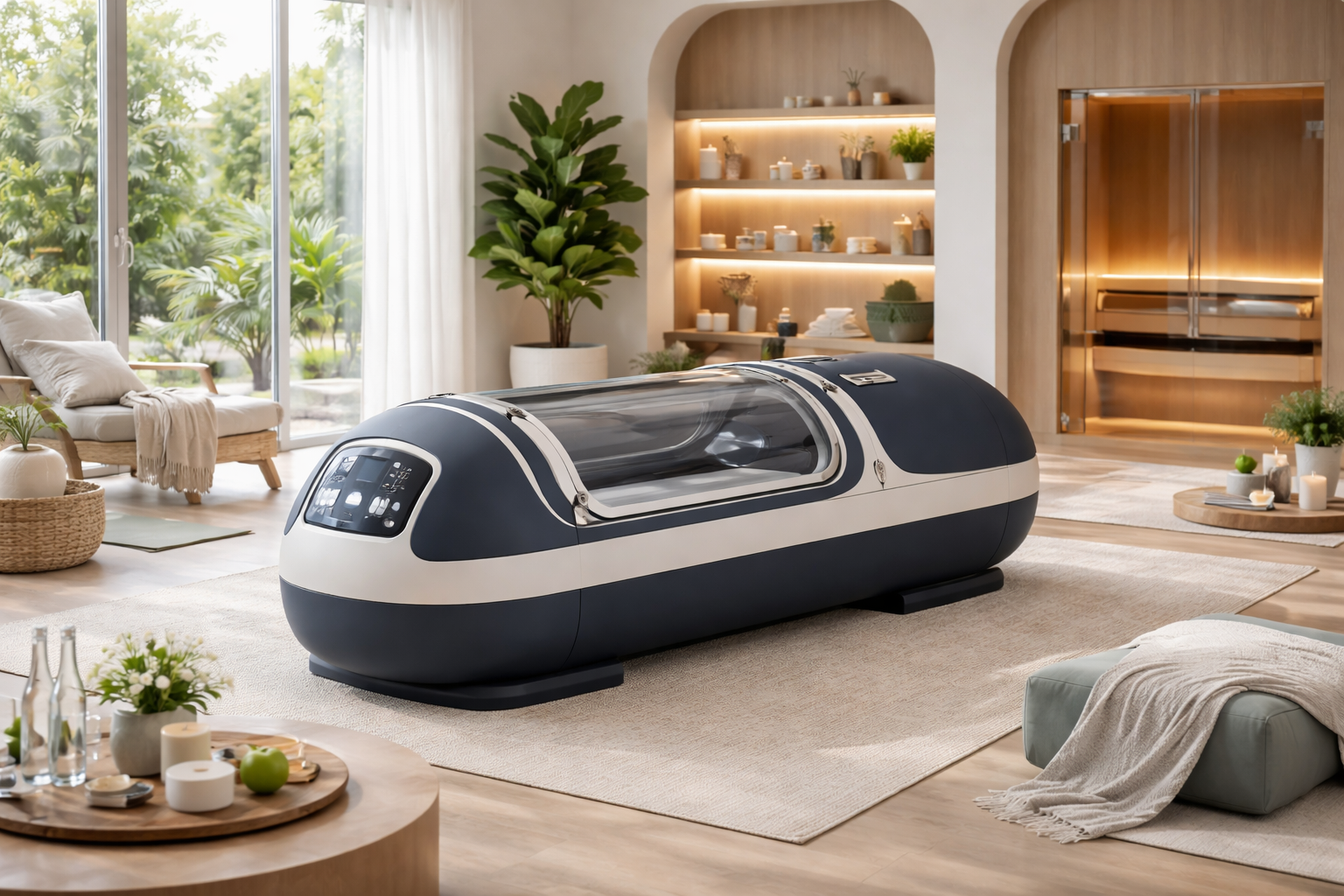
For those considering personal HBOT chambers, it's important to understand the difference between medical-grade hard chambers (which can achieve higher pressures and deliver 100% oxygen) and soft portable chambers (which typically operate at lower pressures with ambient air enriched with oxygen).1
The anti-aging research demonstrating telomere lengthening and senescent cell reduction used medical-grade chambers at 2.0 ATA with 100% oxygen.2 While soft chambers may offer some benefits, the dramatic anti-aging effects observed in studies require the higher pressures and oxygen concentrations achievable only in hard chambers.
When investing in a personal chamber or selecting a treatment facility, prioritize systems that can deliver therapeutic pressures (1.5-2.5 ATA) with high oxygen concentrations, and ensure the facility employs trained technicians and follows established safety protocols.
The Investment in Your Future: Why HBOT Is Worth It
When evaluating HBOT as an anti-aging intervention, it's helpful to consider it not as an expense but as an investment in your most valuable asset—your health. The scientific evidence demonstrates that HBOT can address fundamental aging mechanisms that no other intervention can match.1,2
Consider what you're gaining: measurable increases in telomere length (reversing cellular aging), significant reduction in senescent cells (clearing cellular debris), enhanced cognitive function (protecting your brain), reduced inflammation (preventing disease), improved tissue regeneration (maintaining youthful function), better cardiovascular health (protecting your heart), and accelerated recovery from exercise and injury.2,5,9,12,13
These aren't theoretical benefits—they're documented, measurable improvements in biological markers of aging and health. While supplements, diet, and exercise are important, HBOT offers unique mechanisms of action that complement and enhance these lifestyle interventions.
The cost of HBOT varies depending on location and whether you're using a clinical facility or investing in a personal chamber. Clinical sessions typically range from $100-$300 per session, meaning a 60-session protocol could cost $6,000-$18,000. Personal chambers range from $5,000 for basic soft chambers to $30,000+ for medical-grade hard chambers.
While this represents a significant investment, consider the alternative: the cost of age-related diseases, reduced quality of life, lost training time from injuries, and potential loss of independence in later years. Preventive interventions that address root causes of aging and accelerate recovery offer far better value than treating diseases or injuries after they develop.12,13
Conclusion: Taking Control of Your Aging Process and Athletic Performance
The science is clear: Hyperbaric Oxygen Therapy represents one of the most powerful tools available for combating aging, optimizing health, and enhancing athletic performance. With documented effects on telomere length, senescent cell clearance, cognitive function, inflammation, tissue regeneration, cardiovascular health, and exercise recovery, HBOT addresses aging and performance at their most fundamental levels.1,2,5,9,12,13
Unlike many anti-aging and recovery interventions that offer modest or unproven benefits, HBOT's effects are measurable, reproducible, and backed by rigorous scientific research. The therapy works through well-understood biological mechanisms, triggering your body's innate healing and regenerative capabilities.
For those serious about extending their healthspan—the number of years lived in good health—and for athletes committed to maximizing performance and minimizing injury downtime, HBOT deserves serious consideration. Whether you're looking to maintain cognitive sharpness, enhance physical performance, accelerate recovery, reduce injury risk, or simply slow the aging process, HBOT offers evidence-based benefits that few other interventions can match.
The question isn't whether HBOT works—the scientific evidence confirms it does. The question is whether you're ready to invest in your future health and performance, and take advantage of this remarkable technology. Your cells are aging right now, your telomeres are shortening, senescent cells are accumulating, and every intense workout creates recovery demands. HBOT offers a scientifically validated way to intervene in these processes and take control of your aging trajectory and athletic potential.
The future of healthy aging and peak performance is here. The only question is: will you take advantage of it?
References
1. Gupta M, Rathored J. Hyperbaric oxygen therapy: future prospects in regenerative therapy and anti-aging. Front Aging. 2024;5:1368982. doi:10.3389/fragi.2024.1368982
2. Hachmo Y, Hadanny A, Abu Hamed R, et al. Hyperbaric oxygen therapy increases telomere length and decreases immunosenescence in isolated blood cells: a prospective trial. Aging (Albany NY). 2020;12(22):22445-22456. doi:10.18632/aging.202188
3. Hadanny A, Efrati S. The hyperoxic-hypoxic paradox. Biomolecules. 2020;10(6):958. doi:10.3390/biom10060958
4. Tibbles PM, Edelsberg JS. Hyperbaric-oxygen therapy. N Engl J Med. 1996;334(25):1642-1648. doi:10.1056/NEJM199606203342506
5. Hadanny A, Abbott S, Suzin G, et al. Effect of hyperbaric oxygen therapy on chronic neurocognitive deficits of post-traumatic brain injury patients: retrospective analysis. BMJ Open. 2018;8(9):e023387. doi:10.1136/bmjopen-2018-023387
6. Efrati S, Ben-Jacob E. Reflections on the neurotherapeutic effects of hyperbaric oxygen. Expert Rev Neurother. 2014;14(3):233-236. doi:10.1586/14737175.2014.884928
7. Tal S, Hadanny A, Sasson E, et al. Hyperbaric oxygen therapy can induce angiogenesis and regeneration of nerve fibers in traumatic brain injury patients. Front Hum Neurosci. 2017;11:508. doi:10.3389/fnhum.2017.00508
8. Thom SR. Hyperbaric oxygen: its mechanisms and efficacy. Plast Reconstr Surg. 2011;127 Suppl 1:131S-141S. doi:10.1097/PRS.0b013e3181fbe2bf
9. Heyboer M, Sharma D, Santiago W, McCulloch N. Hyperbaric oxygen therapy: side effects defined and quantified. Adv Wound Care (New Rochelle). 2017;6(6):210-224. doi:10.1089/wound.2016.0718
10. Thom SR, Bhopale VM, Velazquez OC, et al. Stem cell mobilization by hyperbaric oxygen. Am J Physiol Heart Circ Physiol. 2006;290(4):H1378-H1386. doi:10.1152/ajpheart.00888.2005
11. Bennett MH, Lehm JP, Jepson N. Hyperbaric oxygen therapy for acute coronary syndrome. Cochrane Database Syst Rev. 2015;2015(7):CD004818. doi:10.1002/14651858.CD004818.pub4
12. Chen CY, Chou WY, Ko JY, Lee MS, Wu RW. Early recovery of exercise-related muscular injury by HBOT. Biomed Res Int. 2019;2019:6289380. doi:10.1155/2019/6289380
13. Álvarez-Herms J, Julià-Sánchez S, Hamlin MJ, Corbi F, Pagès T, Viscor G. Popularity of hyperbaric oxygen therapy in sports: a Google Trends analysis. Front Physiol. 2021;12:664980. doi:10.3389/fphys.2021.664980
14. Ishii Y, Miyanaga Y, Shimojo H, Ushida T, Tateishi T. Effects of hyperbaric oxygen on procollagen messenger RNA levels and collagen synthesis in the healing of rat tendon laceration. Tissue Eng. 1999;5(3):279-286. doi:10.1089/ten.1999.5.279
15. Gušić M, Stantić T, Lazić A, et al. Effects of hyperbaric oxygen therapy on recovery after a football match in young players: a double-blind randomized controlled trial. Front Physiol. 2024;15:1483142. doi:10.3389/fphys.2024.1483142